
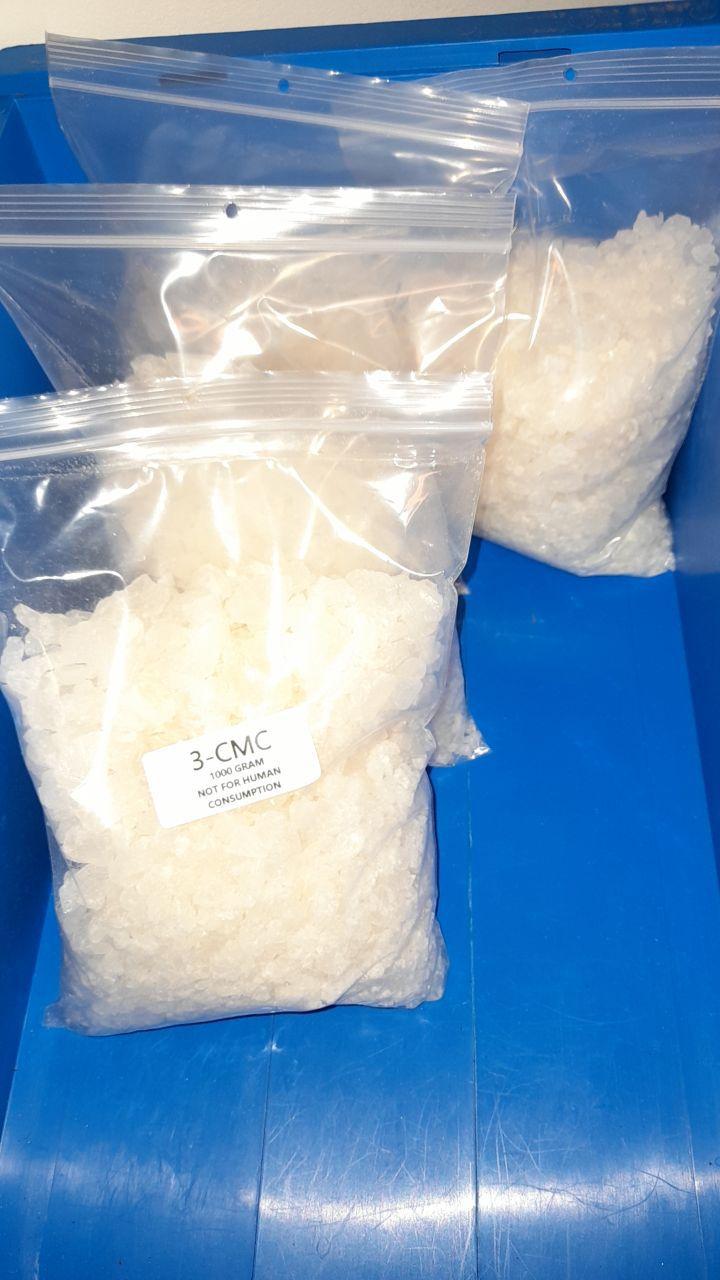
3-CMC Powder, Crystal and Pellets
Price range: $115.00 through $1,100.00
3-CMC, short for 3-Chloromethcathinone, is a synthetic psychoactive substance that belongs to the synthetic cathinone family. Synthetic cathinones are laboratory-made stimulants that are chemically related to cathinone, a naturally occurring compound found in the khat plant. Buy 3-CMC Powder, Crystal, and Pellets Today!
3-CMC Powder, Crystal, and Pellets: A Detailed Guide
What Is 3-CMC?
3-CMC, short for 3-Chloromethcathinone, is a synthetic psychoactive substance that belongs to the synthetic cathinone family. Synthetic cathinones are laboratory-made stimulants that are chemically related to cathinone, a naturally occurring compound found in the khat plant. Unlike natural cathinone, 3-CMC is not found in nature and is produced entirely through chemical synthesis. Buy 3-CMC Powder, Crystal, and Pellets Today!
3-CMC is considered a new psychoactive substance (NPS) and has been monitored by European drug agencies since 2014 due to concerns about its health risks and increasing presence in illicit drug markets.
It is sometimes known by alternative names such as:
- 3-Chloromethcathinone
- Clophedrone
- Metaclephedrone
- 3-Cl-Methcathinone.
What Are 3-CMC Powder, Crystal, and Pellets Made Of?
3-CMC is a synthetic chemical compound with the chemical name:
1-(3-chlorophenyl)-2-(methylamino)propan-1-one.
Chemically, it belongs to the cathinone class of compounds and is structurally related to other synthetic cathinones such as:
- Methcathinone
- 3-MMC
- 4-CMC
- Mephedrone.
The substance is manufactured in laboratories using chemical synthesis techniques rather than being extracted from plants or natural materials. Regulatory agencies and researchers describe it as a designer drug created to produce stimulant effects similar to those of other synthetic cathinones. Buy 3-CMC Powder, Crystal, and Pellets Today!
What Do Powder, Crystal, and Pellet Forms Mean?
The active chemical remains the same, but 3-CMC may appear in several physical forms.
Powder
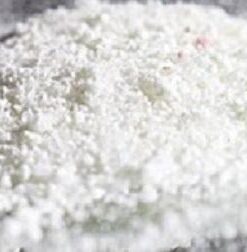
Powder is one of the most commonly reported forms. It is typically described as a white or off-white powder. The powder form can vary in texture and purity depending on how it was manufactured
Crystal
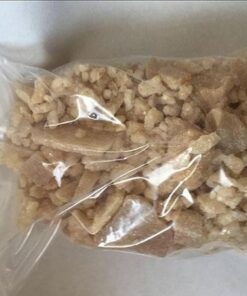
Crystal 3-CMC consists of larger crystalline particles that contain the same active substance. Crystals may later be crushed into smaller particles or powder. The crystal form does not necessarily indicate higher purity, although some users may perceive it that way. The available sources identify 3-CMC as a white or gray solid that can appear in crystalline form.
Pellets
Pellets are compressed tablets containing measured amounts of 3-CMC. Drug monitoring organizations have identified 3-CMC in tablet and capsule forms in addition to powder and solid forms.
How Are 3-CMC Powder, Crystal, and Pellets Consumed?
Reports from monitoring and health agencies indicate that 3-CMC has been administered through various routes including:
- Oral consumption (capsules, tablets, pellets)
- Nasal insufflation (snorting)
- Smoking
- Injectio
The exact effects and risks can vary depending on the route of administration, the amount consumed, and the individual’s health status.
How Does 3-CMC Work?
3-CMC acts primarily as a central nervous system stimulant.
According to the World Health Organization’s Expert Committee on Drug Dependence, 3-CMC affects neurotransmitter systems involving:
- Dopamine
- Serotonin
- Norepinephrine
Neurotransmitters are chemical messengers that allow nerve cells in the brain to communicate with one another.
By increasing the concentrations of these neurotransmitters, 3-CMC can alter:
- Mood
- Energy levels
- Alertness
- Attention
- Emotional responses
- Social behavior.
Because these same neurotransmitter systems are involved in reward, motivation, and pleasure, stimulant drugs can sometimes produce feelings of euphoria and increased energy while also creating risks for dependence and adverse psychological effects. Buy 3-CMC Powder, Crystal, and Pellets Today!
Reported Effects
Research on 3-CMC remains limited compared with older drugs, but available reports suggest that users may experience stimulant-type effects similar to those produced by other synthetic cathinones.
Reported effects include:
Psychological Effects
- Increased wakefulness
- Improved alertness
- Elevated mood
- Feelings of euphoria
- Increased sociability
- Increased confidence
- Increased libido
Physical Effects
- Increased energy
- Increased heart rate
- Elevated blood pressure
- Sweating
- Restlessness
The available sources indicate that the stimulant profile of 3-CMC is broadly similar to other cathinones and psychostimulants. Buy 3-CMC Powder, Crystal, and Pellets Today!
Potential Risks and Side Effects
One important fact about 3-CMC is that scientific research remains relatively limited. However, available evidence has identified several health concerns.
Reported adverse effects include:
- Agitation
- Anxiety
- Restlessness
- High blood pressure
- Sweating
- Chest pain
- Seizures
Researchers have also noted that effects similar to other cathinones may include:
- Rapid heart rate (tachycardia)
- Hypertension
- Episodes of psychosis
Hospitalizations involving 3-CMC have been reported, and documented cases of intoxication have occurred involving both 3-CMC alone and combinations with other substances.
Dependence Potential
The World Health Organization notes that there are limited controlled studies examining dependence potential. However, clinical admissions associated with dependence have been reported. Based on its actions in the brain, experts suggest that 3-CMC could produce a pattern of dependence similar to that observed with amphetamine and other stimulant drugs
This means repeated use may increase the risk of:
- Psychological dependence
- Compulsive use patterns
- Cravings
- Difficulty stopping use
Legal and Public Health Status
3-CMC has attracted significant attention from drug monitoring agencies and public health organizations. The European Union Drugs Agency (EUDA, formerly EMCDDA) conducted a formal risk assessment because of concerns about its public health impact.
The substance has been detected in numerous countries and is considered a new psychoactive substance requiring monitoring and regulatory attention. Buy 3-CMC Powder, Crystal, and Pellets Today!
Key Facts You Should Know
- 3-CMC stands for 3-Chloromethcathinone.
- It is a synthetic cathinone stimulant.
- It is produced entirely through chemical synthesis and does not occur naturally.
- It may appear as powder, crystals, capsules, tablets, pellets, or liquids.
- It acts on dopamine, serotonin, and norepinephrine systems in the brain.
- Reported effects include stimulation, euphoria, increased sociability, and increased energy.
- Reported adverse effects include agitation, seizures, chest pain, elevated blood pressure, and hospitalization in some cases.
- Fatal intoxications involving 3-CMC have been documented.
- Research on long-term effects remains limited compared with older stimulant drugs
Overall, 3-CMC is a laboratory-made stimulant belonging to the synthetic cathinone family. It is known to affect key neurotransmitter systems involved in mood, energy, and reward, but health agencies have raised concerns about its adverse effects, dependence potential, and public health risks.
| Weight | 10G, 25G, 50G, 100G, 250G, 500G, 1000G |
|---|
Related products
Research Chemicals
Research Chemicals


Research Chemicals
Research Chemicals
Reviews
There are no reviews yet